Thumb Brace overview shared to assist gentle and consistent thumb control
Wiki Article
Exactly How Thumb Braces Can Support Your Joint Wellness Throughout Daily Activities
Thumb braces offer a vital function in maintaining joint wellness during everyday tasks. They supply security and lower stress, specifically for those experiencing discomfort from conditions like arthritis. By utilizing these braces, people can improve their capability to do tasks such as inputting and gripping. Comprehending the various kinds and correct use of thumb dental braces is crucial for maximizing their benefits. What factors to consider should one maintain in mind when choosing the right support?
Recognizing the Composition of the Thumb
Although usually undervalued, the thumb plays an essential role in hand feature and overall mastery. Made up of 2 phalanges, the thumb's unique framework enables a better variety of motion contrasted to other fingers. Its opposability, an essential characteristic, makes it possible for the thumb to touch the ideas of the other fingers, facilitating gripping and pinching activities. The carpometacarpal joint, situated at the base of the thumb, is highly mobile, enabling the thumb to revolve and flex in different instructions. Tendons and ligaments stabilize the thumb, supplying both assistance and adaptability during activities. Furthermore, the visibility of muscles such as the abductor pollicis longus and opponens pollicis improves its motion abilities. This intricate anatomical arrangement is essential for performing everyday jobs, from contacting comprehending objects, highlighting the thumb's value in both fine electric motor abilities and gross electric motor features. Comprehending this anatomy can assist appreciate the thumb's crucial contributions to general hand wellness.Common Thumb Injuries and Stress
The intricate anatomy of the thumb makes it prone to different injuries and strains, especially as a result of its constant use in daily activities. Common thumb injuries consist of strains, which happen when tendons are overstretched or torn, typically resulting from unpleasant hand movements or falls. Tendonitis is an additional prevalent problem, identified by swelling of the tendons that manage thumb activity, usually because of recurring pressure.De Quervain's tenosynovitis is a particular sort of tendonitis impacting the tendons located at the base of the thumb, typically experienced by individuals that participate in repetitive gripping or pinching. Cracks, though less common, can occur from straight injury, especially in crashes or sports. These injuries can cause pain, swelling, and decreased flexibility, influencing daily jobs and overall thumb functionality. Recognizing these common thumb injuries is important for recognizing signs and looking for proper care.
Advantages of Using Thumb Braces
Making use of thumb braces can substantially enhance joint health and wellness and give remedy for different thumb-related injuries. These helpful devices maintain the thumb, minimizing pressure during daily tasks such as inputting, texting, or gripping things. By paralyzing the joint, thumb dental braces can reduce discomfort and inflammation connected with conditions like joint inflammation or tendonitis.In addition, they promote appropriate placement, which is vital for preventing further injury. Putting on a thumb support can likewise motivate rest and recuperation, permitting time for recovery while preserving functionality.
In addition, thumb dental braces typically include flexible straps, making certain a custom fit that improves convenience throughout usage. This versatility makes them ideal for individuals of varying hand sizes and activity levels. Eventually, including thumb braces right into one's daily regimen can bring about boosted joint health, raised mobility, and a decrease in the danger of worsening existing thumb conditions.
Different Kinds of Thumb Braces Available
When taking into consideration thumb braces, individuals can select between various types that deal with specific needs. Rigid assistance braces deal stability and immobilization, while adaptable compression sleeves supply gentle support and raised blood circulation. Recognizing these choices can help customers pick the most appropriate brace for their joint wellness.Inflexible Assistance Braces
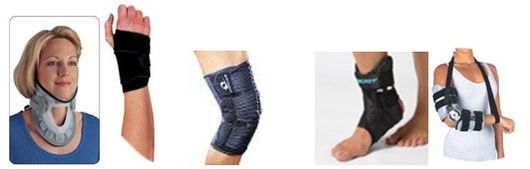
Flexible Compression Sleeves
Along with inflexible assistance braces, versatile compression sleeves provide a different technique to thumb assistance, highlighting comfort and wheelchair. These sleeves are created to provide gentle compression, which can aid minimize swelling and boost flow in the thumb joint. Made from flexible materials, they allow for a full variety of motion, making them suitable for individuals who take part in day-to-day activities needing mastery. Flexible compression sleeves been available in numerous sizes and designs, dealing with different degrees of support and specific preferences. They are simple and typically light-weight to use, making them appropriate for prolonged usage throughout the day. On the whole, these sleeves function as a practical option for those looking for relief without giving up performance.How to Pick the Right Thumb Dental Braces for Your Requirements
Picking the ideal thumb support includes several crucial factors to visit our website consider. Individuals need to examine their specific condition, guarantee the size and fit are proper, and examine the product and layout for convenience and assistance. These aspects play a vital role in discovering a support that successfully meets their requirements.Consider Your Problem
When selecting a thumb support, it is important to ponder the specific condition influencing the thumb, as various ailments may call for distinctive degrees of assistance and immobilization. People experiencing from arthritis may profit from braces that offer compression and warmth, minimizing discomfort and rigidity. Conversely, those recuperating from a sprain may need a brace that provides stiff support to limit movement and promote healing. Repetitive strain injury patients may try to find dental braces made to stabilize the wrist while allowing some thumb functionality. Additionally, conditions like trigger finger may demand dental braces that relieve stress in the thumb tendons. Eventually, comprehending the certain requirements determined by one's condition will direct individuals to select one of the most reliable thumb support for their special situation.Size and Fit
Selecting the suitable dimension and suitable for a thumb support is important for achieving excellent support and comfort. Individuals should begin by gauging their thumb area and length to identify the correct size according to the producer's sizing chart. A properly fitted support must snugly encase the thumb without causing tightness or pain. It is critical to examine personal tasks and the level of flexibility required; some may like an extra adaptable layout, while others may require a firmer support. Trying out numerous styles can assist recognize which support feels best during normal day-to-day tasks. Furthermore, making sure that the brace fits any swelling or adjustments in thumb dimension throughout the day can even more enhance its efficiency and user satisfaction.Material and Layout
The option of material and style considerably influences the performance of a thumb brace, people need to consider their particular needs and choices. Thumb braces are typically made from materials such as neoprene, nylon, or breathable materials, each offering differing degrees of support and convenience. Neoprene provides heat and compression, while breathable textiles enhance air movement, making them ideal for long term wear. The style is similarly vital; some braces include inflexible supports for immobilization, while others enable better flexibility during activity. In addition, adjustable straps can boost fit and convenience, suiting various thumb shapes and sizes. People need to examine their daily tasks and the level of support needed to select one of the most appropriate thumb brace for optimum joint wellness.Tips for Incorporating Thumb Braces Into Your Daily Regimen
Including thumb supports right into day-to-day routines can considerably boost joint wellness and convenience. To begin, people must determine particular activities that stress the thumb, such as keying or gripping devices, and wear the support throughout these jobs. It is additionally useful to create tips for normal usage, especially during repeated activities.Readjusting the fit of the support is crucial; it ought to be tight yet comfortable to guarantee assistance without limiting blood circulation. Users may likewise consider wearing the support throughout rest periods to minimize discomfort.
In addition, incorporating thumb brace use with gentle extending and strengthening exercises can optimize benefits. Engaging in ergonomic methods, such as adjusting workstation height, more assistances joint health. Keeping an extra brace handy can make particular that assistance is constantly readily available, allowing for constant usage throughout numerous everyday tasks.
Often Asked Inquiries
Can Thumb Braces Be Used Overnight for Added Support?
Thumb braces can be worn overnight for extra support, supplying stability and minimizing pressure during rest. People must consult a healthcare specialist to guarantee proper fit and prevent possible discomfort or problems while sleeping.Exist Any Type Of Dangers Connected With Long Term Thumb Brace Use?
Long term thumb support usage can result in muscle degeneration, joint tightness, or dependency on the brace for assistance. It's vital to stabilize support usage with exercises to maintain toughness and flexibility in the thumb.How Often Should I Replace My Thumb Brace?
Thumb dental braces need to typically be changed every 3 to six months, relying on use and wear (brace). Normal assessments for signs of degeneration are important to assure optimal assistance and comfort for the user's joint wellness
Can Thumb Braces Assist With Arthritis Discomfort Alleviation?
Thumb dental braces can give considerable relief for joint inflammation discomfort by supporting the joint, reducing strain throughout movement, and read this article restricting excessive movement. This support assists ease discomfort great post to read and enhances general hand function for people experiencing arthritis symptoms.Is It Safe to Use a Thumb Dental Braces Throughout Sports Activities?
Using a thumb support during sports tasks can be safe, gave it fits effectively and enables essential movement. Nonetheless, people must speak with a health care expert to assure it satisfies their particular requirements and circumstances.The carpometacarpal joint, situated at the base of the thumb, is extremely mobile, enabling the thumb to flex and revolve in various directions. Various thumb dental braces are available, rigid assistance braces stand out for their capability to provide considerable stability and immobilization to the thumb. In enhancement to rigid assistance braces, versatile compression sleeves supply a different method to thumb support, emphasizing convenience and flexibility. When choosing a thumb support, it is important to contemplate the specific condition affecting the thumb, as different ailments may call for distinct levels of assistance and immobilization (Thumb Brace). Prolonged thumb support use can lead to muscle mass degeneration, joint stiffness, or dependency on the brace for assistance
Report this wiki page